
Dementia in Cinema
And Disney Villain Deaths

Kathleen Norris on DEMENTIA ON FILM
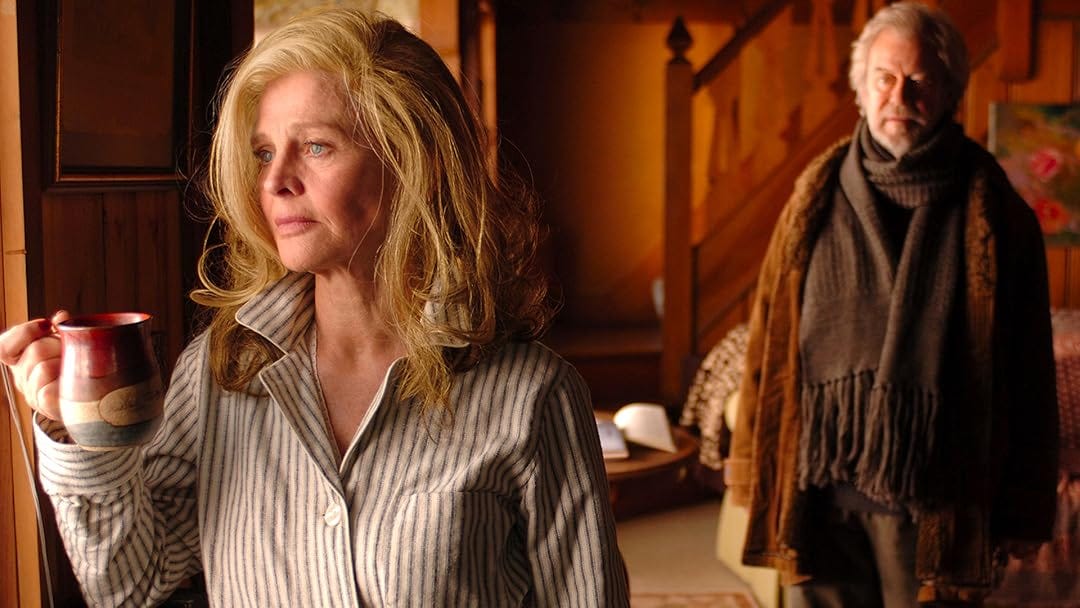
As the world’s population ages, the dementia suffered by many elderly people is in the news. Scientists study causes and offer suggestions for how to avoid it, or slow down its progress, and filmmakers are naturally drawn to dementia’s dramatic possibilities. There’s even one thriller, Memory, in which Liam Neeson portrays a hit man whose increasing forgetfulness puts his life in danger. But most films on the subject focus on the upheaval that increased mental decline inflicts on family relationships. In The Savages we meet two siblings who are suddenly called upon to place their father in a nursing home. Laura Linney and Philip Seymour Hoffman are compelling as a brother and sister long estranged from one another and their curmudgeonly father. As they work together to help him they are forced to confront old wounds and gain a new perspective on their lives. Theirs is a sad story leavened by the comedy that inevitably surfaces even in dire situations.
In Still Alice Julianne Moore offers a moving portrayal of a Columbia University professor diagnosed with early-onset Alzheimer’s. We witness her attempts to memorize words and install personal questions on her phone that she tries to answer every morning. But the disease is relentless, and her husband and children cope in very different ways with her decline. We leave her in good hands with a daughter, an actor, who reads her mother a section of the play Angels in America and then asks her what it’s about. By this time Alice can barely form words and speak, but she replies, “love.”
